
Can You Whiten Teeth That Have Crowns, Veneers or Bonding?

Why Restorations Do Not Bleach
Whitening products use hydrogen peroxide or carbamide peroxide to break stains inside enamel and dentin into smaller, lighter pieces. Porcelain, ceramic and composite resin do not respond to that chemistry the same way.
The American Dental Association says that only , not tooth-colored restorations. A crown or veneer keeps the shade it had on the day it was placed.
What Happens When You Whiten Around Dental Work
When the natural teeth lighten and the restorations stay the same, the difference can stand out. A crown that blended in last year may look darker or more yellow next to freshly whitened teeth.
This is why a quick exam before whitening matters. Your dentist can point out which teeth will change and which will not, so the result does not catch you off guard.
Whiten First, Then Match
If you are planning new cosmetic work, the order makes a big difference. Most dentists suggest whitening your natural teeth first, then choosing the shade for new restorations.
Our dental bonding resin can be color-matched to your teeth or made a bit lighter. Porcelain veneers are also custom-made to the shape and color you choose, so it pays to settle on your whitened shade first.
When Replacing an Old Restoration Makes Sense
Sometimes the best fix is to swap an older crown, veneer or bonded area for one that matches your new shade. This is common with front teeth, where small color differences are easier to see.
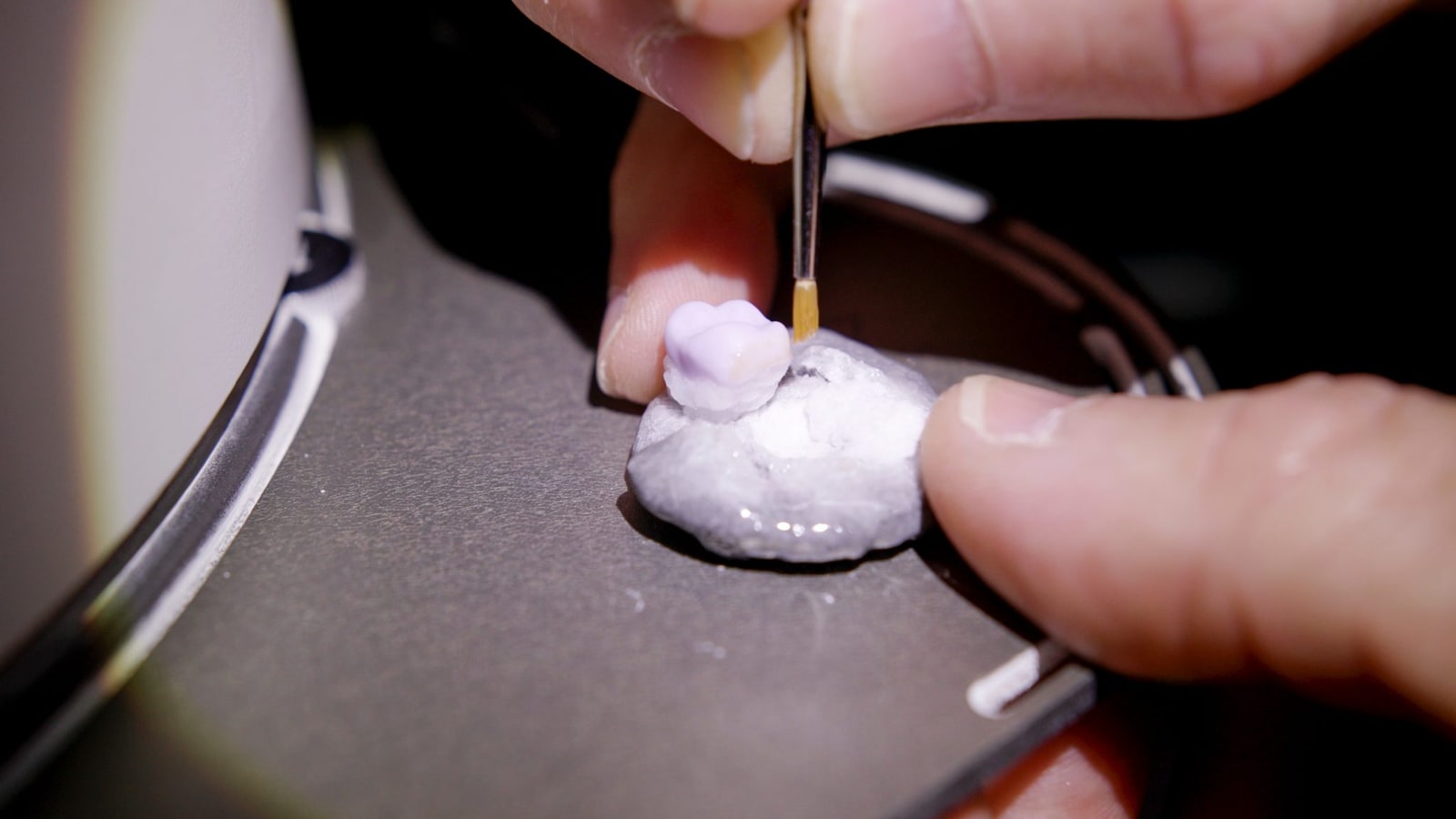
Our same-day crowns are made in the office from a digital scan, so a replacement can often be finished in one visit. You can read more about how same-day crowns look next to natural teeth.
Bonding and Stains Over Time
Composite bonding holds up well, but it does not resist stains as well as porcelain. Coffee, tea and red wine can slowly dull it.
Cleveland Clinic notes that bonding typically before it needs a touch-up or replacement. A refresh after whitening is often a simple way to even out your smile.
Picking a Whitening Option
Julington Dental offers in-office whitening, which can brighten teeth noticeably in one visit. We also make custom take-home trays that lighten teeth gradually over several days or weeks.
Either option can work around existing dental work.
If you are weighing bigger changes, veneers may be worth it for teeth that do not whiten well, and a smile makeover plan can tie several treatments together. Our cosmetic dentistry page lists every option we offer.
Frequently Asked Questions
How long should I wait after whitening before getting new bonding or a crown?
Most dentists prefer a short pause between whitening and placing new tooth-colored work. That gives your shade time to settle so the new restoration matches where your teeth end up, not where they are mid-treatment.
The notes that some research suggests bleaching may briefly affect how well composite and ceramic materials bond to enamel. Your dentist will recommend timing that fits your plan.
Will whitening gel harm my existing crowns or veneers?
Whitening gel is not expected to lighten crowns or veneers, so the main effect is a possible color mismatch. The bigger risk is overusing whitening products, which can irritate gums or wear on natural enamel.
, the ADA's patient site, advises following product directions and talking with your dentist first. That way you know which teeth will change before you start.
Can stained bonding be polished instead of replaced?
Sometimes a professional polish can lift light surface stain from composite bonding and bring back some of its shine. Deeper discoloration inside the resin usually means the bonding needs a touch-up or a fresh layer.
Because bonding can be color-matched to your teeth, a replacement after whitening can blend with your new, brighter shade. Your dentist can tell you which approach fits your tooth.
Do porcelain veneers stain the way natural teeth do?
Porcelain is resistant to staining, so veneers tend to hold their color better than natural enamel or composite bonding. That is one reason patients at Julington Dental choose them for front teeth that have not responded well to whitening.
Veneers still need daily brushing, flossing and regular checkups. Good care helps keep the edges and the surrounding natural teeth looking clean and bright.
Can a same-day crown be matched to my newly whitened teeth?
Yes, a same-day crown can be made to blend with your teeth after whitening. At Julington Dental, a digital scan creates a 3D model, and the crown is crafted in our office and bonded in one visit.
Planning the crown after you finish whitening helps the shade match your brighter smile. Call Julington Dental at (904) 230-5537 to talk through the timing.

