What Is a Dental Bridge?
What Is a Dental Bridge?
Missing teeth can affect more than just the appearance of your smile. Tooth loss may also impact chewing, speech, and overall oral health if left untreated. Many patients visit our dentists in Jacksonville, FL, to explore tooth replacement options that restore both function and confidence. One common solution for replacing missing teeth is a dental bridge.
Understanding how dental bridges work can help you decide whether this treatment may be right for your smile.
What Is a Dental Bridge?
A dental bridge is a restorative treatment used to replace one or more missing teeth. The bridge literally “bridges” the gap left behind by missing teeth using artificial replacement teeth supported by crowns on neighboring natural teeth or dental implants.
Dental bridges are designed to restore the appearance and function of the smile while helping maintain proper alignment of the surrounding teeth.
How Does a Dental Bridge Work?
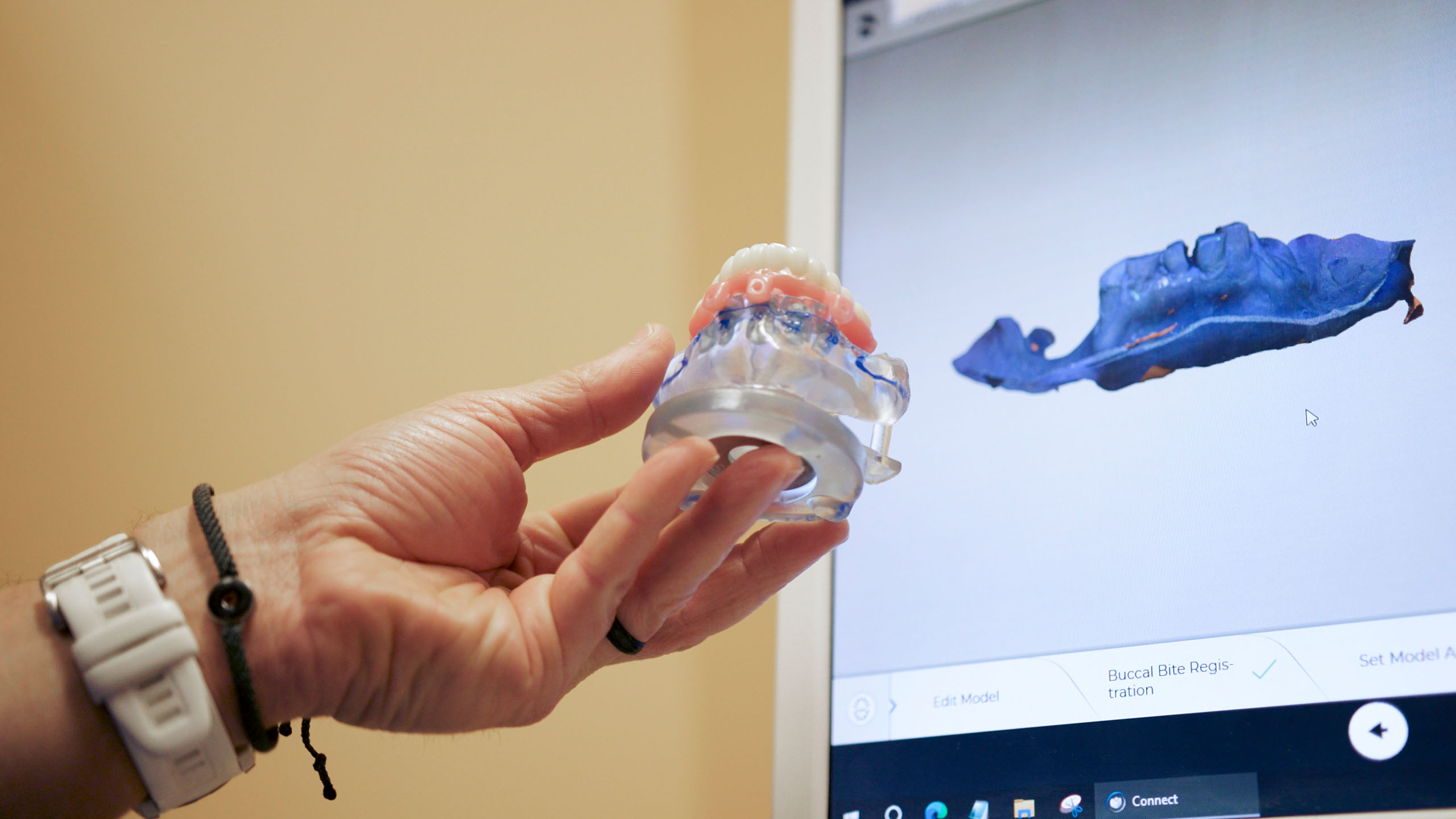
A dental bridge typically consists of one or more replacement teeth, known as pontics, held in place by crowns on natural teeth or implants. These supportive structures help anchor the bridge securely within the mouth.
Once placed, the bridge fills the empty space and functions similarly to natural teeth, allowing patients to chew and speak more comfortably.
What Problems Can a Dental Bridge Help Address?
Replacing missing teeth with a dental bridge offers several important benefits. Missing teeth can cause nearby teeth to shift out of place over time, potentially leading to bite problems and uneven wear.
A dental bridge helps:
- Restore chewing function
- Improve speech clarity
- Prevent teeth from shifting
- Maintain facial appearance
- Improve smile aesthetics
- Support bite balance
By filling the gap left by missing teeth, a bridge helps maintain better overall oral function.
Who Is a Candidate for a Dental Bridge?
Many patients with one or more missing teeth may qualify for dental bridge treatment. Good candidates typically have healthy surrounding teeth and gums capable of supporting the restoration.
A dental evaluation is necessary to determine whether a bridge is the best option based on your oral health, the location of the missing tooth, and your overall treatment goals.
What Is the Process for Getting a Dental Bridge?
The dental bridge process usually involves multiple appointments. During the first visit, the supporting teeth or implants are prepared, and impressions are taken to create a custom bridge that fits comfortably and looks natural.
A temporary restoration may be placed while the final bridge is being fabricated. Once the permanent bridge is ready, it is carefully fitted and secured into place.
The result is a restoration designed to blend naturally with the surrounding teeth.
How Long Do Dental Bridges Last?
Dental bridge restorations can last many years with proper care and maintenance. Patients who practice good oral hygiene and attend regular dental visits often enjoy long-lasting results.
The lifespan of a bridge depends on several factors, including oral hygiene habits, diet, bite forces, and overall dental health.
How Should I Care for a Dental Bridge?
Caring for a dental bridge is similar to caring for natural teeth. Patients should brush twice daily, floss carefully around the bridge, and schedule routine dental cleanings and exams.
Special flossing tools may sometimes be recommended to help clean underneath the bridge and maintain healthy gums around the restoration.
Why Is It Important to Replace Missing Teeth?
Even a single missing tooth can affect oral health over time. Gaps in the smile may contribute to shifting teeth, bite imbalance, difficulty chewing, and changes in facial appearance.
Book Your Dental Bridge Consultation
Replacing missing teeth promptly can help preserve oral function and protect the long-term health of your smile. If you are exploring tooth replacement options, schedule a consultation with our dentists in Jacksonville, FL, to learn whether a dental bridge may be right for you. Call Julington Dental at (904) 230-5537 or contact us online.